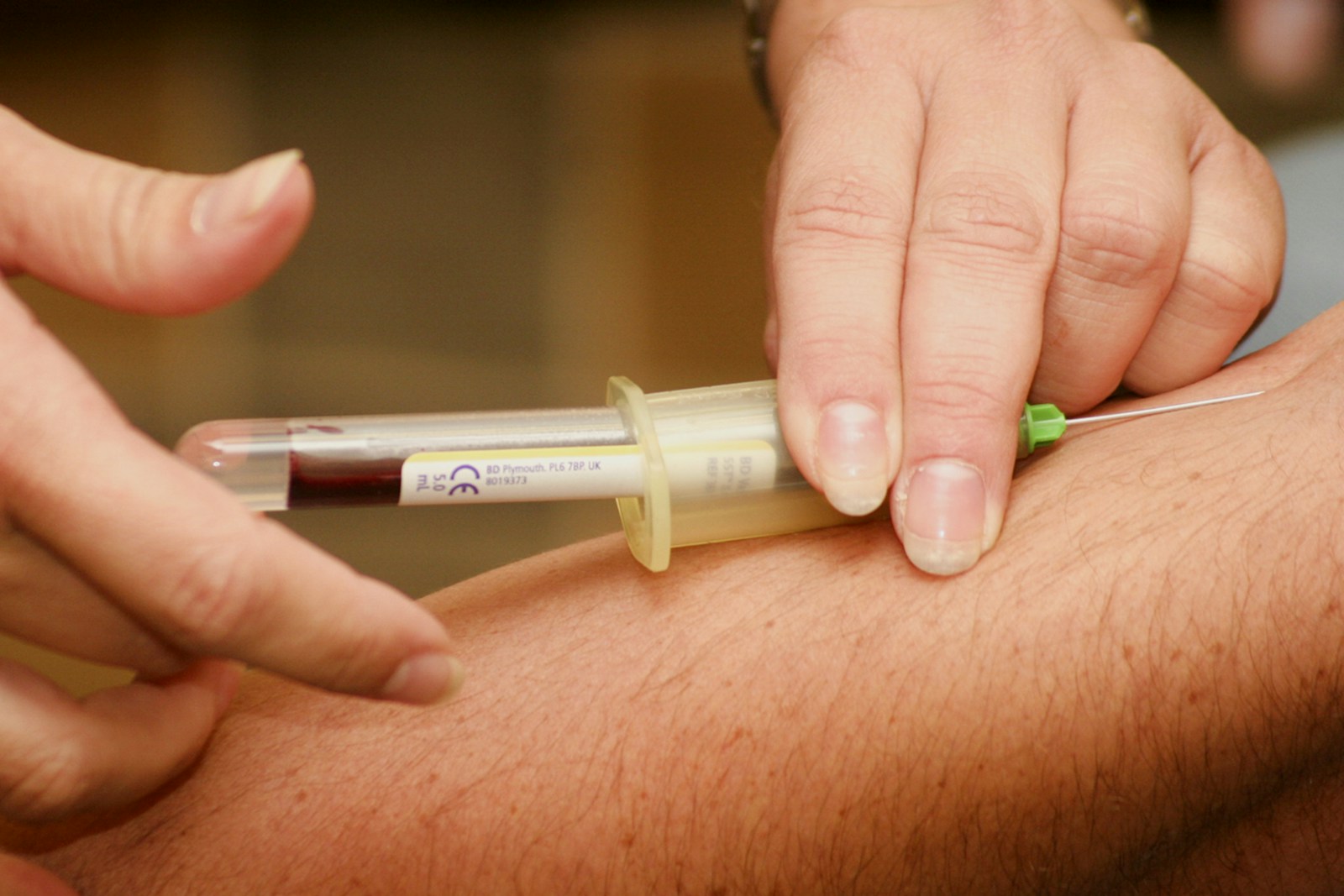

The route of estrogen changes a woman's GH-axis response. Oral estrogen passes through the liver and lowers IGF-1, while transdermal estrogen does not, which means the same peptide protocol can read differently depending on how a woman takes her hormone therapy.
Peptide therapy for women is GH-axis treatment read against estrogen and thyroid, not a scaled-down version of a men's protocol. The peptides are the same GHRH analogs and releasing peptides used in men, but women's biology changes how the axis responds. Sermorelin is a GHRH analog that stimulates the pituitary to release a woman's own growth hormone rather than replacing it [1]. What matters for women is how estrogen route and thyroid status shift that response, and who is actually a candidate. This is the women's read on peptide therapy; the axis responds differently in men.
- Women's GH-axis peptide protocols are read against estrogen and thyroid status, both of which change the IGF-1 response
- Oral estrogen lowers IGF-1 by passing through the liver; transdermal estrogen does not [3]
- Women secrete GH differently than men across the day, so the response to a GHRH analog is not identical [4]
- Untreated hypothyroidism blunts the GH response and is a contraindication on the approved GHRH-analog label [8]
- A baseline IGF-1, a full female hormone panel, and thyroid labs are the entry requirement before prescribing
The peptides, and why women respond differently
The peptides used in women are the same GHRH analogs (sermorelin, tesamorelin) and the releasing peptide ipamorelin used in men. What differs is the response. Growth hormone secretion follows a different daily pattern in women, driven in part by estrogen [4]. In the longest controlled trial of GHRH(1-29) in older adults, IGF-1, nocturnal GH, and skin thickness rose in both sexes, while the lean-mass gain reached significance only in men [2]. That sex difference is why a woman's protocol is judged on her own labs rather than a chart built for men.
Ipamorelin has the same appeal in women it has in men. It releases GH selectively without raising cortisol or prolactin [5], and the prolactin point carries more weight in women given prolactin's role in the menstrual cycle. When a releasing peptide is added to a GHRH analog, ipamorelin is the cleaner choice.
Estrogen: the variable that changes the reading
Estrogen route is the single biggest reason a woman's IGF-1 can read low despite a working protocol. Oral estrogen passes through the liver first and suppresses IGF-1 production, while transdermal estrogen delivered through the skin does not [3]. A woman on oral estrogen can show a lower IGF-1 on the same peptide dose than she would on a patch.
This has two practical consequences. A 90-day IGF-1 retest has to be read with the estrogen route in mind, not against a generic reference range. And a woman starting both peptide therapy and hormone therapy should have the estrogen route on record before anyone concludes the peptide is underdosed.
A program treating women should know whether estrogen is oral or transdermal before reading an IGF-1 result. Oral estrogen lowers IGF-1 independently of the peptide dose, and missing that leads to raising the dose when nothing was wrong [3].
Thyroid has to be corrected first
Thyroid disease is far more common in women than men, and women are five to eight times more likely than men to develop a thyroid condition [7]. That matters here because untreated hypothyroidism blunts the GH response. The approved GHRH-analog label directs that untreated hypothyroidism be corrected before treatment, since it can interfere with the response [8].
The order is not optional. A woman with unaddressed hypothyroidism who starts a peptide may see a flat IGF-1 retest and conclude the therapy failed, when the real problem was thyroid the whole time. Thyroid labs belong in the same intake as IGF-1 and the hormone panel.
Who is a candidate
The candidate is a woman, usually in perimenopause or later, with symptomatic GH-axis decline and a baseline IGF-1 in the low or low-normal range, read alongside her estrogen and thyroid status. Symptoms that track with the labs carry more weight than any single value: disrupted sleep, reduced lean mass, more central fat, and slow recovery.
- Women over 40 or in perimenopause with low or low-normal IGF-1 and matching symptoms
- Women whose estrogen route and thyroid status are known and accounted for
- Not for women who are pregnant or breastfeeding
- Not for women with active malignancy, and not for anyone in tested sport, since GHRH analogs are prohibited [9]
Women who show low IGF-1 alongside estrogen and thyroid shifts do best with a program built for female physiology. Embody prescribes sermorelin alongside bioidentical estrogen and progesterone, with protocols set from a full female hormone panel at intake, starting at $99 per month.
Safety and honest limits
These peptides are compounded, not FDA-approved, and quality depends on the pharmacy. A 503B outsourcing facility meets current good manufacturing practice standards; a 503A pharmacy does not [10]. The controlled evidence in women is real but narrow: IGF-1 and nocturnal GH rise, skin thickness improves, and the lean-mass signal is weaker than in men [2]. Tesamorelin has the strongest data for visceral fat, though its trials were not women-specific [6]. What a program costs is driven by the labs and the pharmacy, covered in peptide therapy cost.
Bottom line for women
Peptide therapy for women is GH-axis treatment that cannot be read correctly without estrogen and thyroid in the frame. The right first step is three lab draws, not a peptide: a baseline IGF-1, a full female hormone panel, and thyroid function. A program that reads all three, prescribed by a team that treats female hormones, is the version worth starting.
Frequently Asked Questions
What is peptide therapy for women?
It is GH-axis treatment with peptides that stimulate the pituitary to release a woman's own growth hormone, most often sermorelin, ipamorelin, or tesamorelin [1]. In women it is read against estrogen and thyroid status, both of which change how IGF-1 responds. It is not growth hormone replacement, and the peptides are compounded rather than FDA-approved.
Does estrogen affect peptide therapy?
Yes, and the route matters most. Oral estrogen passes through the liver and lowers IGF-1, while transdermal estrogen does not [3]. A woman on oral estrogen can show a lower IGF-1 on the same peptide dose, so her estrogen route has to be known before a 90-day retest is read or the dose is changed.
Do women respond to sermorelin differently than men?
The available trial data suggests they do. In the 16-week GHRH(1-29) study, IGF-1, nocturnal GH, and skin thickness rose in both sexes, while the lean-mass gain reached significance only in men [2]. Growth hormone secretion also follows a different daily pattern in women, shaped by estrogen [4], which is why women's protocols are judged on their own labs.
Can peptides help with menopause symptoms?
GH-axis peptides address GH-related symptoms such as poor sleep, reduced lean mass, and slow recovery, not the estrogen-driven symptoms of menopause like hot flashes. Those are separate hormone systems. Women in perimenopause are often treated for both at once, but the peptide works on the GH axis and estrogen therapy works on the rest.
Why do I need thyroid labs before starting?
Because untreated hypothyroidism blunts the GH response, and the approved GHRH-analog label directs that it be corrected first [8]. Thyroid disease is far more common in women [7], so a flat IGF-1 retest in a woman is often a thyroid problem rather than a failed peptide. Thyroid function belongs in the same intake as IGF-1 and the hormone panel.
Is peptide therapy safe for women?
At standard doses these peptides are well tolerated, with injection-site reactions the most common effect. The larger concerns are that they are compounded, so quality depends on a 503A or 503B pharmacy [10], and that prescribing without a baseline IGF-1 leaves no way to judge the response. Pregnancy, breastfeeding, and active malignancy are contraindications, and women in tested sport should not use GHRH analogs [9].
References
- Sermorelin: a review of its use in the diagnosis and treatment of children with idiopathic growth hormone deficiency BioDrugs, 1999. PMID: 18031173. https://pubmed.ncbi.nlm.nih.gov/18031173/
- Endocrine and metabolic effects of long-term administration of [Nle27]growth hormone-releasing hormone-(1-29)-NH2 in age-advanced men and women Journal of Clinical Endocrinology & Metabolism, 1997. PMID: 9141536. https://pubmed.ncbi.nlm.nih.gov/9141536/
- Contrasting effects of oral and transdermal routes of estrogen replacement therapy on 24-hour growth hormone (GH) secretion, insulin-like growth factor I, and GH-binding protein Journal of Clinical Endocrinology & Metabolism, 1991. PMID: 1991807. https://pubmed.ncbi.nlm.nih.gov/1991807/
- Growth hormone and aging (sex differences in GH secretion) Endotext (NCBI Bookshelf), 2020. NBK279056. https://www.ncbi.nlm.nih.gov/books/NBK279056/
- Ipamorelin, the first selective growth hormone secretagogue European Journal of Endocrinology, 1998. PMID: 9849822. https://pubmed.ncbi.nlm.nih.gov/9849822/
- Effects of growth hormone-releasing hormone on visceral fat, metabolic, and cardiovascular indices in human studies Growth Hormone & IGF Research, 2015. PMID: 25555516. https://pubmed.ncbi.nlm.nih.gov/25555516/
- General Information: Thyroid disease prevalence in women thyroid.org, 2026. https://www.thyroid.org/media-main/press-room/
- Geref Prescribing Information (untreated hypothyroidism) RxList, 2008. https://www.rxlist.com/sermorelin-acetate-drug.htm
- The 2026 Prohibited List: International Standard, section S2.2.4 growth hormone releasing factors World Anti-Doping Agency, 2026. WADA 2026 Prohibited List. https://www.wada-ama.org/en/resources/2026-prohibited-list
- Compounding laws and policies (503A and 503B) fda.gov, 2024. https://www.fda.gov/drugs/human-drug-compounding/compounding-laws-and-policies