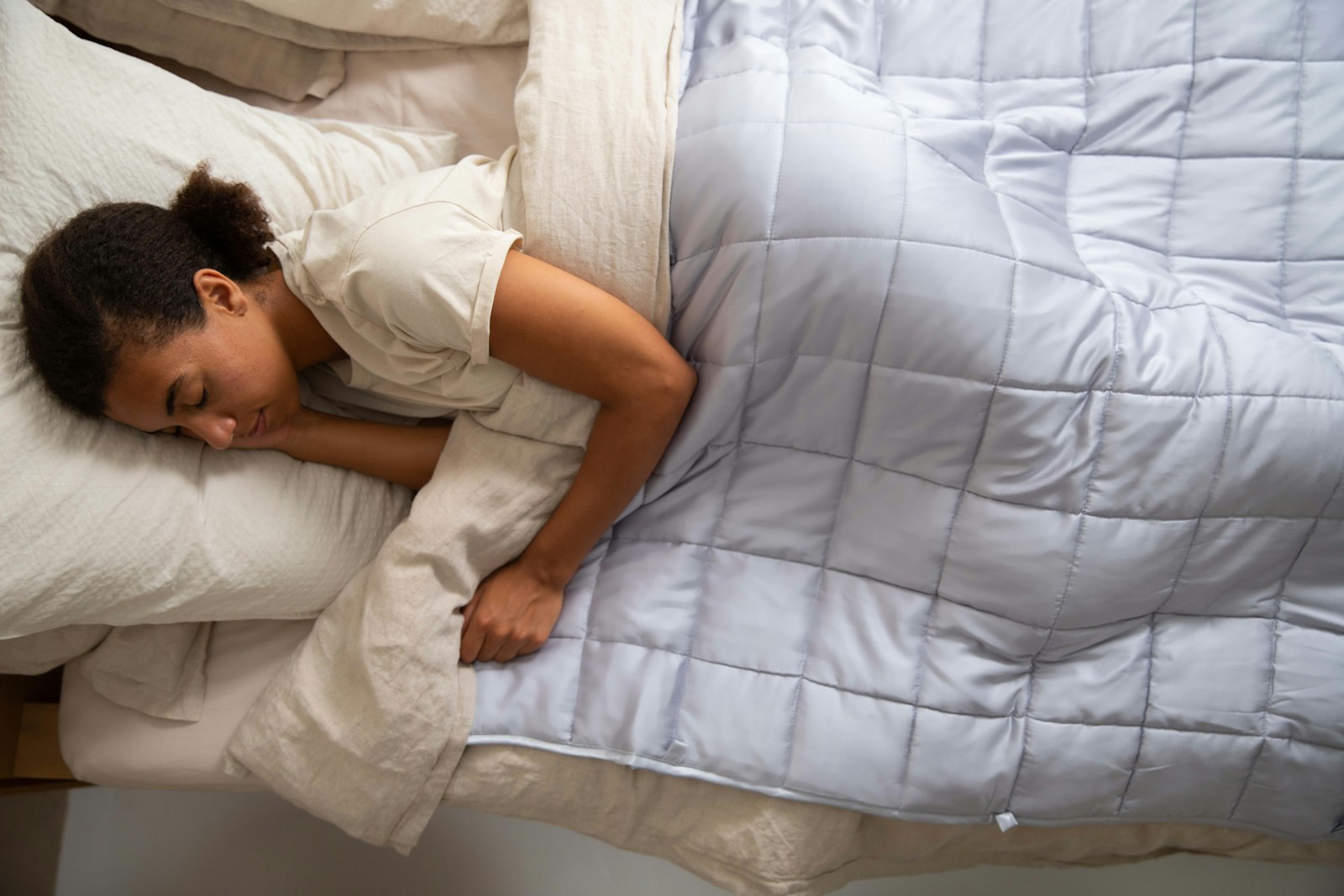
The largest growth hormone pulse of the day is not triggered by the injection. It is triggered by slow-wave sleep, and alcohol degrades exactly that stage. A bedtime dose landing on a night of drinking arrives to blunt its own signal.
Alcohol works against the exact mechanism sermorelin relies on. Sermorelin does not deliver growth hormone. It stimulates the pituitary to release GH on its own schedule, and the schedule that matters most is the one tied to sleep. The largest GH secretory episode of the day occurs during the first period of slow-wave sleep [2]. Alcohol degrades that sleep stage, so a bedtime injection landing on a night of drinking is pushing against a system that alcohol is holding down.
- The major nightly GH pulse is driven by slow-wave sleep, not by the injection itself [2]
- Sermorelin augments the pituitary's own pulsatile output; bedtime dosing aligns the dose with that pulse [1]
- Alcohol before bed reduces slow-wave sleep in the first half of the night, working against the pulse the dose is timed to amplify
- An occasional drink well before bedtime is different from regular evening drinking on a sermorelin protocol
- The practical fix is timing: separate alcohol from the bedtime dose, and keep the nights that matter for sleep clean
Why Sermorelin Depends on Sleep
The value of a bedtime dose is that it arrives when the pituitary is already primed to fire. GH is secreted in pulses across the day, but the dominant one is nocturnal. Growth hormone secretion rises sharply during slow-wave sleep in the hours after sleep onset [2]. That is why sermorelin is dosed at bedtime rather than in the morning.
Sermorelin's job is to amplify that pulse, not replace it. It binds GHRH receptors and increases the pituitary's own GH release while somatostatin feedback keeps the output self-limiting [1]. In older adults, GHRH-analog dosing raised nocturnal GH and lifted IGF-1 within 2 weeks [3]. The dose does its work through the sleep-linked pulse. Damage the pulse and you blunt the dose.
What Alcohol Does to That Pulse
Alcohol is one of the most reliable disruptors of slow-wave sleep. It can shorten the time it takes to fall asleep, which is why it feels sedating, but it suppresses deep sleep in the first half of the night and fragments the second half as it clears. The first half is precisely where the dominant GH pulse lives [2].
The result is a mismatch. The injection is timed to reinforce a pulse that alcohol is actively flattening. This is not a dangerous drug interaction in the pharmacologic sense. Sermorelin has a half-life of only minutes and clears the bloodstream quickly [4]. The interaction is functional: the two are pulling the same night in opposite directions, and the reader loses the response they are paying for.
Alcohol will not make sermorelin unsafe. It makes it less effective by degrading the sleep the protocol depends on. A patient who drinks most evenings and sees no 90-day IGF-1 movement should look at the drinking before blaming the dose.
How to Time Alcohol Around the Dose
The fix is separation, not total abstinence for most people. The goal is to keep alcohol out of the window where it degrades the first slow-wave period after your bedtime injection.
- Give alcohol and your bedtime dose distance. Finish drinking several hours before the injection so most of it has cleared before you sleep
- Keep the injection at its normal bedtime. Do not shift the dose earlier to make room for drinking; that moves it away from the sleep-onset pulse
- Protect the nights that count. If you dose nightly, an evening of heavier drinking is a night the protocol effectively skips its main pulse
- Do not double up or move a missed dose to compensate. Sermorelin works with the body's feedback, and stacking doses does not recover a lost pulse [1]
- Track it honestly. When you read your 90-day IGF-1, know how many of those nights involved evening alcohol
Occasional Drinking vs a Regular Habit
One glass of wine with dinner on a Saturday is not the thing that decides your response. A pattern of drinking most evenings is. The distinction is dose and frequency, the same way it is for the injection.
- Occasional and early: a drink or two hours before bed, a few times a month, has little bearing on the 90-day trend
- Regular and late: several drinks most evenings works against the pulse night after night, and that accumulates
- Binge nights: heavy single sessions flatten slow-wave sleep hardest, so those are the nights the dose does the least
There is also the metabolic angle. Growth hormone opposes insulin, and heavy alcohol use independently affects glucose control and liver function. Neither of those is a reason sermorelin becomes unsafe with a normal drink, but both are reasons a prescribing physician wants an honest account of alcohol use before and during a protocol.
Bottom Line
Sermorelin and alcohol are not a safety collision. They are a timing collision. The peptide is timed to amplify the GH pulse that slow-wave sleep produces [2], and alcohol is one of the surest ways to suppress that sleep stage. Keep the drinking away from the bedtime dose, keep the nights that matter clean, and let the 90-day IGF-1 retest tell you whether the protocol is working on a fair test.
Most sermorelin programs skip the baseline IGF-1, which is the only way to know whether sleep, alcohol, or dose explains a flat response. SystemLabs runs baseline IGF-1 before prescribing, so a 90-day retest actually means something.
Frequently Asked Questions
Can you drink alcohol on sermorelin?
Yes, sermorelin does not create a dangerous interaction with alcohol. The issue is effectiveness, not safety. Alcohol suppresses slow-wave sleep, and the largest growth hormone pulse of the day is driven by that sleep stage [2]. An occasional drink well before bedtime has little effect on your 90-day result. Regular evening drinking works against the pulse your bedtime dose is timed to amplify.
Does alcohol reduce sermorelin results?
Regular evening drinking can. Sermorelin augments the pituitary's sleep-linked GH pulse [1], and that pulse rises during the first period of slow-wave sleep [2]. Alcohol degrades that stage, so nights with evening alcohol are nights the dose does less. A patient who drinks most evenings and sees no IGF-1 movement at 90 days should look at the drinking before adjusting the dose.
How long should I wait after drinking to take sermorelin?
Keep the bedtime injection at its normal time and finish drinking several hours earlier so most of the alcohol has cleared before you sleep. Do not shift the dose earlier to make room for drinking, because that moves it away from the sleep-onset GH pulse. The aim is to protect the first slow-wave period after the injection.
Is it dangerous to mix sermorelin and alcohol?
No pharmacologic danger is established at normal drinking levels. Sermorelin has a half-life of only minutes and clears the bloodstream quickly [4]. The interaction is functional rather than toxic: the two pull the same night in opposite directions. Heavy alcohol use does raise separate concerns for glucose and liver function that a prescribing physician should know about.
Should I stop drinking completely while on sermorelin?
Total abstinence is not required for most people. The practical rule is separation: keep alcohol out of the hours before your bedtime dose and keep heavier nights infrequent. One drink with dinner a few times a month has little bearing on the trend. Drinking several times a week close to bedtime is the pattern that undermines the protocol.
References
- Sermorelin: a better approach to management of adult-onset growth hormone insufficiency? Clinical Interventions in Aging, 2006. PMC2699646. https://pmc.ncbi.nlm.nih.gov/articles/PMC2699646/
- Growth hormone secretion during sleep Journal of Clinical Investigation, 1968. PMID: 5675428. https://pubmed.ncbi.nlm.nih.gov/5675428/
- Endocrine and metabolic effects of long-term administration of [Nle27]growth hormone-releasing hormone-(1-29)-NH2 in age-advanced men and women Journal of Clinical Endocrinology & Metabolism, 1997. PMID: 9141536. https://pubmed.ncbi.nlm.nih.gov/9141536/
- Sermorelin: a review of its use in the diagnosis and treatment of children with idiopathic growth hormone deficiency BioDrugs, 1999. PMID: 18031173. https://pubmed.ncbi.nlm.nih.gov/18031173/