
Sermorelin is a 29-amino acid peptide, the shortest active fragment of endogenous GHRH that retains full biological activity at the pituitary GHRH receptor. The original pharmaceutical version (Geref) was manufactured by Serono and held FDA approval until 2008, when it was voluntarily withdrawn for commercial reasons, not safety.
Sermorelin is a synthetic peptide, 29 amino acids in length, that replicates the biologically active N-terminal fragment of endogenous growth hormone-releasing hormone (GHRH). It is classified as a GHRH analog: it binds to the same receptor on pituitary somatotroph cells as the naturally occurring 44-amino acid GHRH molecule, triggering production and release of the body's own growth hormone. Sermorelin does not contain or deliver growth hormone directly.
- Sermorelin is a 29-amino acid synthetic peptide that mirrors the active fragment of endogenous GHRH
- It is classified as a GHRH analog, not a growth hormone, not a GHRP, and not a steroid
- Sermorelin binds GHRH receptors in the pituitary and stimulates the gland to produce its own GH
- The somatostatin feedback loop remains active, which self-limits GH output and distinguishes sermorelin from exogenous HGH
- All legally dispensed sermorelin in the US is compounded; the original FDA-approved product (Geref) was withdrawn in 2008
The Peptide Structure
A peptide is a chain of amino acids linked by peptide bonds. Sermorelin's 29-amino acid sequence corresponds to positions 1 through 29 of the 44-amino acid human GHRH molecule. Research established that this 1-29 fragment retains full binding affinity at the pituitary GHRH receptor [1]. The remaining 15 amino acids of native GHRH add plasma stability but are not required for receptor activation.
How Sermorelin Differs From Synthetic HGH
Synthetic HGH (recombinant somatropin) is a 191-amino acid protein that directly replaces the growth hormone molecule. Injecting it delivers GH into circulation regardless of what the pituitary is doing. Sermorelin is 29 amino acids and works upstream: it tells the pituitary to make GH, not replace it. The practical consequence is that somatostatin feedback remains active with sermorelin [2], limiting output to what the pituitary can physiologically produce. Exogenous HGH bypasses this entirely.
| Feature | Sermorelin | Synthetic HGH |
|---|---|---|
| Amino acids | 29 | 191 |
| Mechanism | Stimulates pituitary GH production | Delivers GH directly |
| Feedback loop | Somatostatin intact, self-limiting | Bypassed |
| Monthly cost (telehealth) | $79 to $329/mo | $600 to $2,000+/mo |
| Pituitary required | Yes, pituitary must be functional | No, it bypasses the pituitary |
How Sermorelin Differs From GHRPs Like Ipamorelin
Growth hormone-releasing peptides (GHRPs) such as ipamorelin and GHRP-2 work through a different receptor, the ghrelin receptor (GHS-R1a), rather than the GHRH receptor. Both receptor pathways stimulate GH release, but through separate mechanisms that are synergistic when combined. Sermorelin acts on the GHRH receptor. Ipamorelin acts on the ghrelin receptor. This is why ipamorelin is the preferred stacking partner for sermorelin: the two work on different pathways and amplify each other's effect on GH pulse amplitude without redundancy.
- Sermorelin: GHRH receptor agonist (anterior pituitary)
- Ipamorelin / GHRP-2 / GHRP-6: ghrelin receptor agonists (anterior pituitary)
- CJC-1295: a modified GHRH analog with a 6 to 8 day half-life, used for less frequent dosing
- Stacking sermorelin with ipamorelin amplifies GH pulse amplitude through complementary receptor pathways
How Sermorelin Is Made and Dispensed
Sermorelin is produced by compounding pharmacies, not commercial manufacturers. The original FDA-approved product, Serono's Geref (sermorelin acetate), was discontinued in 2008 for commercial reasons. All sermorelin currently available in the US is compounded under 503A or 503B pharmacy regulations.
Compounded sermorelin is legal and widely prescribed, but it is not an FDA-approved finished drug product. Each batch is made by a licensed pharmacy under a physician prescription. 503B outsourcing facilities (registered directly with the FDA) provide the highest regulatory standard for compounded peptides.
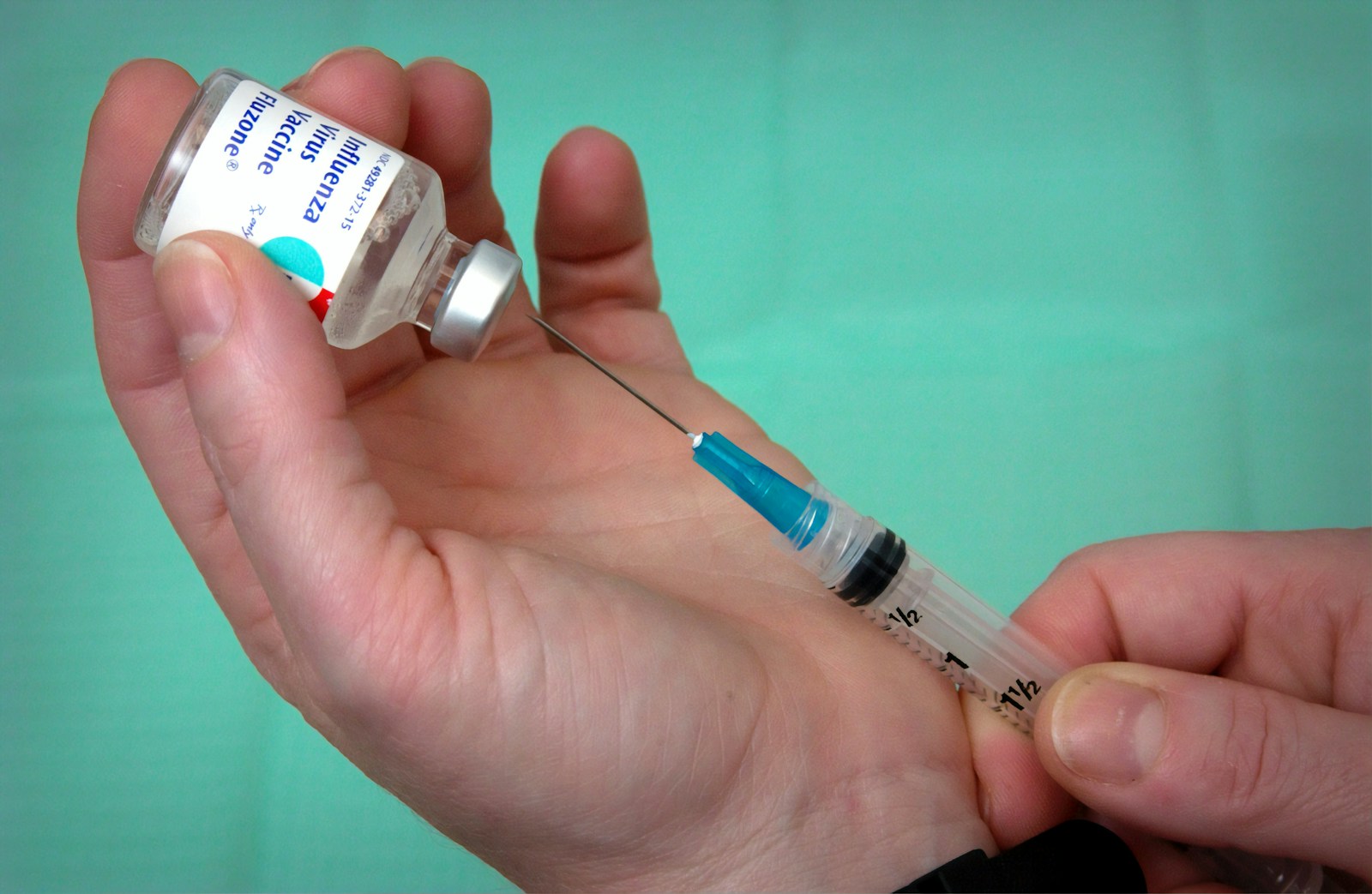
Sermorelin arrives as a lyophilized (freeze-dried) powder in a multi-dose vial. The patient reconstitutes it with bacteriostatic water before use. It is administered subcutaneously, injected under the skin rather than into a muscle. Legitimate suppliers provide a Certificate of Analysis (COA) confirming purity, potency, and sterility testing on request.
Why the "Peptide" Classification Matters Clinically
Peptide-based therapies that work upstream of the target hormone preserve the body's own regulatory architecture. The pituitary continues to produce GH in pulsatile bursts aligned with sleep and fasting states, rather than a continuous exogenous delivery that bypasses normal secretion patterns. The somatostatin feedback mechanism that prevents GH oversaturation remains intact [2]. This is why dose-related side effects such as fluid retention, carpal tunnel, and elevated blood glucose, which appear with supraphysiologic HGH doses, are significantly less common at standard sermorelin doses.
Bottom Line
Because sermorelin is prescription-only, the legitimate path runs through a licensed clinician and a compounding pharmacy. Embody is our top-ranked provider on that route, at $99/month with no insurance or bloodwork required.
Frequently Asked Questions
Is sermorelin the same as HGH?
No. Sermorelin is a 29-amino acid GHRH analog. HGH (synthetic somatropin) is a 191-amino acid protein that directly delivers growth hormone. Sermorelin tells the pituitary to make more GH; HGH replaces it. The clinical consequence is that sermorelin preserves the somatostatin feedback loop and cannot produce GH levels beyond what the pituitary can physiologically generate. HGH bypasses the pituitary entirely.
Is sermorelin a steroid?
No. Sermorelin is a peptide, not a steroid. Steroids are lipid-derived molecules that act through nuclear receptors. Sermorelin is an amino acid chain that acts through a cell-surface receptor on the pituitary gland. It is not a controlled substance, not classified under the Anabolic Steroid Control Act, and not prohibited by athletic governing bodies in the same category as anabolic steroids.
Where does sermorelin come from?
All sermorelin currently available in the US is compounded by licensed pharmacies. The original FDA-approved product, Geref by Serono, was voluntarily withdrawn in 2008 for commercial reasons, not safety. Compounded sermorelin is legal and widely prescribed, produced under 503A or 503B pharmacy regulations, and dispensed only with a valid physician prescription.
What is the difference between sermorelin and ipamorelin?
Sermorelin is a GHRH analog that activates the GHRH receptor on the pituitary. Ipamorelin is a GHRP (growth hormone-releasing peptide) that activates the ghrelin receptor (GHS-R1a). Both stimulate GH release, but through different receptor pathways. This makes them synergistic when stacked: they amplify each other's effect on GH pulse amplitude. Sermorelin is typically the starting monotherapy; ipamorelin is added when greater GH output is clinically warranted.
Does sermorelin need to be injected?
Standard compounded sermorelin is injected subcutaneously (under the skin). Sublingual or oral dissolving tablet (ODT) forms are available from some providers, but the clinical evidence base is weaker than for injectable. Swallowed sermorelin has no established evidence because stomach acid destroys the peptide before absorption. Injectable subcutaneous delivery is the route with the most documented IGF-1 response data.
References
- Sermorelin: a review of its use in the diagnosis and treatment of children with idiopathic growth hormone deficiency BioDrugs, 1999. PMID: 18031173. https://pubmed.ncbi.nlm.nih.gov/18031173/
- Sermorelin: a better approach to management of adult-onset growth hormone insufficiency? Clinical Interventions in Aging, 2006. PMC2682459. https://pmc.ncbi.nlm.nih.gov/articles/PMC2682459/
- The Safety and Efficacy of Growth Hormone Secretagogues Sexual Medicine Reviews, 2018. PMC6235963. https://pmc.ncbi.nlm.nih.gov/articles/PMC6235963/