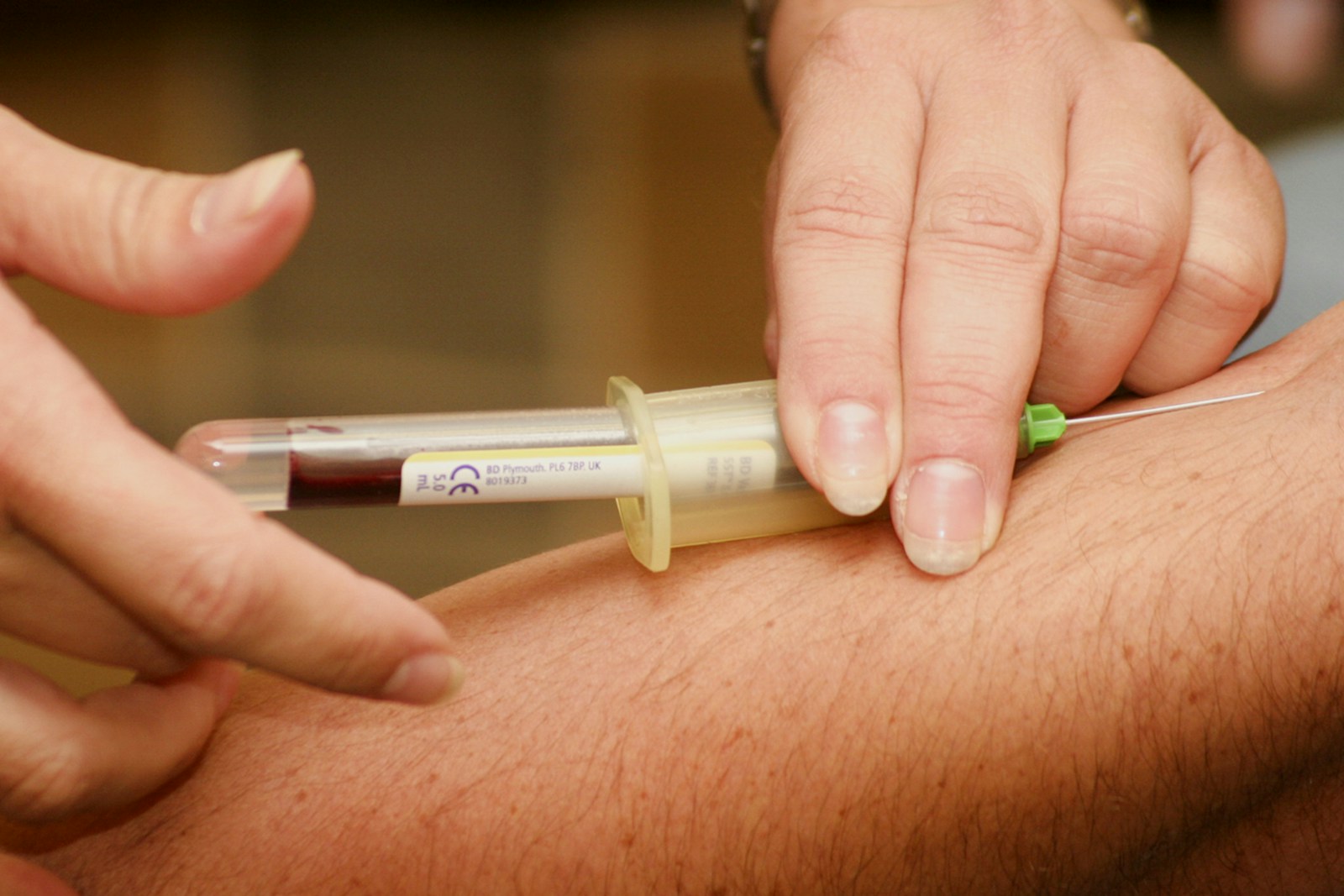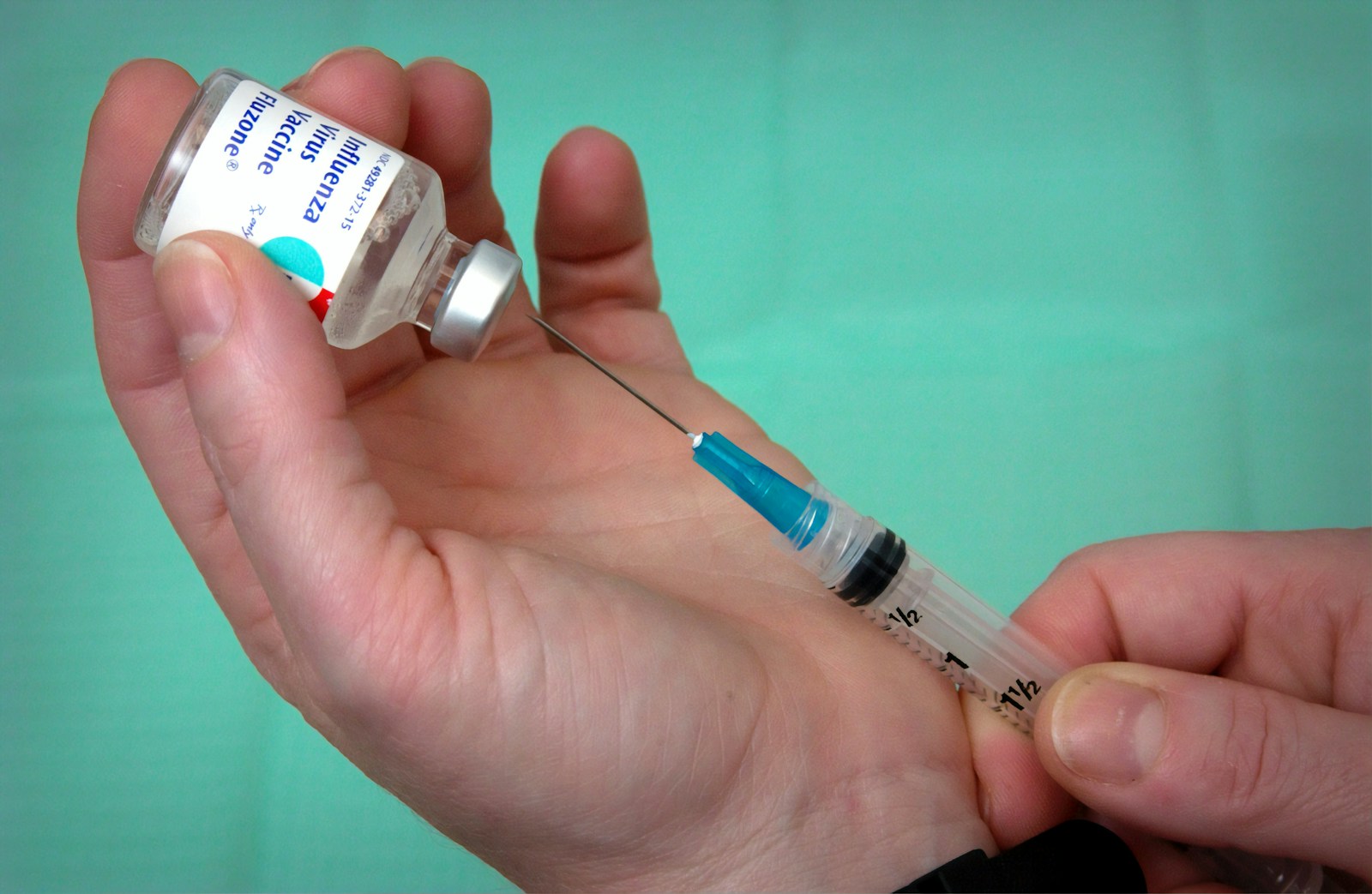

Sermorelin never touches muscle, fat, or skin directly. It binds receptors in the anterior pituitary, and everything downstream happens through growth hormone and then IGF-1. That two-step distance is why effects accumulate over months rather than appearing in days.
Sermorelin does one thing directly: it binds GHRH receptors in the anterior pituitary and prompts release of the growth hormone your body already makes. Every effect people associate with it is downstream of that single action, mediated first by GH and then by IGF-1. Understanding the chain explains both what sermorelin can do and why it does it slowly.
- Direct action: stimulates the pituitary to release its own GH. It does not supply GH [1]
- GH acts on muscle mainly through IGF-1, which drives protein synthesis and suppresses breakdown [2]
- Somatostatin feedback stays intact, which self-limits output and is the key difference from exogenous HGH [5]
- IGF-1 is measurable within 2 weeks; body composition responds over months [3][4]
- It does not act on fat, muscle, or skin directly, which is why nothing happens in days
The Chain of Events
Sermorelin is a 29-amino-acid analog of human GHRH and the shortest synthetic peptide retaining full biological activity [1]. What follows an injection is a sequence, not a single event.
- Sermorelin binds GHRH receptors on somatotroph cells in the anterior pituitary
- Those cells release stored growth hormone as a pulse
- GH reaches the liver and peripheral tissues, driving production of IGF-1
- IGF-1 carries out most of the effects attributed to GH therapy, acting on muscle, bone, and connective tissue
The second step is where sermorelin differs fundamentally from injected HGH. Because the pituitary does the releasing, regulation through somatostatin feedback remains in place [5], and the system resists being pushed into the supraphysiologic range that administered hormone can reach. That is a safety feature and a ceiling on effect at the same time.
IGF-1 Does Most of the Actual Work
When people ask what sermorelin does to muscle, the honest answer routes through IGF-1. GH promotes muscle development mainly through IGF-1 [2], which increases protein synthesis via the PI3K/Akt/mTOR pathway and suppresses degradation by inhibiting FoxO-driven ubiquitin ligases.
This is why IGF-1 is the lab value that matters. It is the closest measurable proxy for whether the chain is working, and it is why a baseline draw before the first dose and a retest at 90 days tell you more than any subjective assessment.
What It Does, Measurably
The clearest controlled data comes from a 16-week study of [[Nle27]GHRH(1-29)NH2, a norleucine-substituted analog of the fragment sermorelin is built on, at 10 mcg/kg nightly in adults aged 55 to 71](https://pubmed.ncbi.nlm.nih.gov/9141536/) [3].
| What it did | Evidence |
|---|---|
| Raised IGF-1 within 2 weeks | [Sustained across 16 weeks in both sexes](https://pubmed.ncbi.nlm.nih.gov/9141536/) [3] |
| Increased nocturnal GH | [Both men and women](https://pubmed.ncbi.nlm.nih.gov/9141536/) [3] |
| Increased lean body mass | [In men](https://pubmed.ncbi.nlm.nih.gov/9141536/) [3] |
| Increased skin thickness | [Both sexes](https://pubmed.ncbi.nlm.nih.gov/9141536/) [3] |
| Did not change fat mass | No significant change across 16 weeks [3] |
| Reduced visceral fat on longer courses | [GHRH-analog data, roughly 6 months](https://pmc.ncbi.nlm.nih.gov/articles/PMC4324360/) [4] |
What It Does to Sleep
Most daily GH release occurs during slow-wave sleep [6]. Sermorelin dosed at bedtime amplifies a pulse that is already scheduled to happen, which is why sleep depth is usually the first change patients report and why dosing at another time reliably underperforms. Eating shortly before injecting raises blood glucose, which blunts that same pulse through somatostatin feedback.
What It Does Not Do
- It does not deliver growth hormone. It prompts release of hormone you already produce [1]
- It does not raise testosterone. Growth hormone administration did not move total or free testosterone in controlled study
- It does not act directly on fat cells, muscle fibers, or skin
- It does not work when the pituitary cannot respond, so it is not a substitute for HGH in true deficiency
- It does not override untreated hypothyroidism, which blunts the GH response independently
Why the Effects Take Months
Each link in the chain adds latency. The GH pulse is immediate, IGF-1 elevation becomes measurable in about 2 weeks, and tissue-level change accumulates only after IGF-1 has been elevated consistently for months. That is the mechanistic reason a 4-week assessment tells you almost nothing, and why 6 months is the honest evaluation window.
What sermorelin does shows up on a titrated protocol measured against your labs, not a single vial. Embody is our top-ranked provider at $99/month with no insurance or bloodwork required, with licensed clinicians managing the protocol.
Frequently Asked Questions
What does sermorelin do in the body?
It binds GHRH receptors in the anterior pituitary and stimulates release of the growth hormone your body already produces [1]. That GH then drives IGF-1 production, and IGF-1 carries out most of the downstream effects on muscle, connective tissue, and body composition [2]. Sermorelin itself does not act on fat, muscle, or skin directly.
What does sermorelin do for muscle?
It works indirectly, through IGF-1. Growth hormone promotes muscle development mainly via IGF-1, which increases protein synthesis through the PI3K/Akt/mTOR pathway and reduces protein breakdown [2]. In a 16-week controlled trial of a close GHRH(1-29) analog, lean body mass increased in men [3]. Gains in lean mass have not been shown to translate reliably into strength gains.
How is what sermorelin does different from taking HGH?
HGH supplies the hormone directly. Sermorelin prompts your pituitary to release its own, which keeps somatostatin feedback intact [5] and makes supraphysiologic levels much harder to reach. That is safer, and it also caps the size of the effect. It also means sermorelin only works if the pituitary is capable of responding in the first place.
Does sermorelin do anything immediately?
Biochemically yes, subjectively no. The GH pulse follows the first correctly timed dose, but IGF-1 takes about 2 weeks to become measurable [3] and tissue effects take months. Sleep depth is usually the first noticeable change, typically at 2 to 4 weeks, because bedtime dosing acts directly on the slow-wave sleep GH pulse [6].
What does sermorelin do for skin?
The controlled data supports a measurable increase in skin thickness in both men and women after 16 weeks of nightly dosing [3]. That is a real tissue-level finding rather than a cosmetic claim, and it is consistent with IGF-1 acting on connective tissue. It is gradual, and no published evidence supports dramatic visible change within weeks.
Does sermorelin burn fat?
Not directly, and not quickly. Fat mass did not change significantly over 16 weeks in the controlled trial [3]. Pooled GHRH-analog studies found visceral fat reduction required roughly 6 months of treatment [4]. The mechanism acts on visceral and abdominal fat gradually rather than producing the rapid loss associated with weight loss drugs.
References
- Sermorelin: a review of its use in the diagnosis and treatment of children with idiopathic growth hormone deficiency BioDrugs, 1999. PMID: 18031173. https://pubmed.ncbi.nlm.nih.gov/18031173/
- Mechanisms of IGF-1-mediated regulation of skeletal muscle hypertrophy and atrophy Cells, 2020. PMID: 32858949. https://pubmed.ncbi.nlm.nih.gov/32858949/
- Endocrine and metabolic effects of long-term administration of [Nle27]growth hormone-releasing hormone-(1-29)-NH2 in age-advanced men and women Journal of Clinical Endocrinology & Metabolism, 1997. PMID: 9141536. https://pubmed.ncbi.nlm.nih.gov/9141536/
- Effects of growth hormone-releasing hormone on visceral fat, metabolic, and cardiovascular indices in human studies Growth Hormone & IGF Research, 2015. PMC4324360. https://pmc.ncbi.nlm.nih.gov/articles/PMC4324360/
- Sermorelin: a better approach to management of adult-onset growth hormone insufficiency? Clinical Interventions in Aging, 2006. PMC2699646. https://pmc.ncbi.nlm.nih.gov/articles/PMC2699646/
- Growth hormone secretion during sleep Journal of Clinical Investigation, 1968. PMID: 5675428. https://pubmed.ncbi.nlm.nih.gov/5675428/