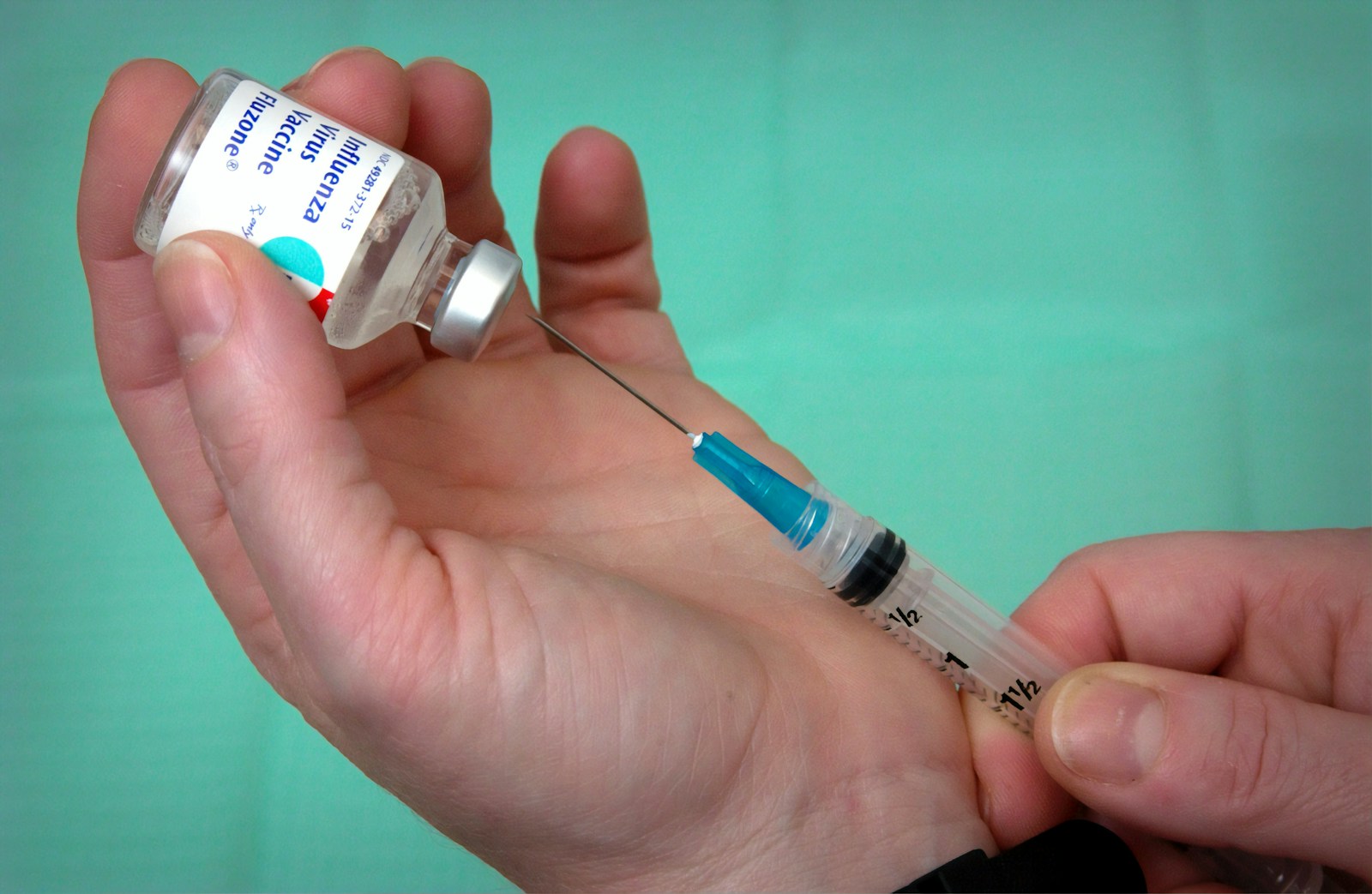

Sermorelin and testosterone act on two different endocrine axes. Sermorelin works on the GH axis through the pituitary; TRT replaces testosterone on the gonadal axis. Treating one does not correct a deficiency in the other.
Sermorelin and testosterone replacement therapy treat two separate hormone systems. Sermorelin is a GHRH analog that stimulates the pituitary to release growth hormone, acting on the GH axis [1]. TRT delivers testosterone to correct a deficiency on the gonadal axis. They are not competing versions of the same therapy, and a man with genuinely low testosterone will not correct it with a GH peptide.
- Sermorelin treats the GH axis; TRT treats the gonadal axis. They are not interchangeable.
- Sermorelin does not raise testosterone; TRT raises IGF-1 only modestly and indirectly.
- Match the therapy to the axis that labs show is deficient.
- Some men are low on both and run a combined, co-monitored protocol.
- Neither should start without baseline labs: IGF-1 for sermorelin, a testosterone panel for TRT.
Two Different Axes, Two Different Problems
The GH axis and the gonadal axis decline with age on separate clocks. GH and IGF-1 fall gradually from the third decade, producing worse sleep, slower recovery, more visceral fat, and reduced lean mass. Testosterone decline drives low libido, erectile changes, loss of muscle, low mood, and fatigue. The symptom lists overlap enough that men often blame the wrong hormone, which is why baseline labs on both axes matter before treating either.
- Sermorelin target: the GH axis. It raises IGF-1 by stimulating pituitary GH output.
- TRT target: the gonadal axis. It raises serum testosterone directly.
- Sermorelin does not raise testosterone.
- TRT raises IGF-1 only modestly, because testosterone feeds into GH secretion.
What Sermorelin Does and Does Not Do
Sermorelin restores GH pulsatility and raises IGF-1, with the first reported change usually better slow-wave sleep within 2 to 4 weeks and body composition shifts over a 6-month protocol. It does not act on the testes or the hypothalamic-pituitary-gonadal axis, so it does not treat low testosterone. Standard dosing is 100 to 300 mcg subcutaneously at bedtime, with a 90-day IGF-1 retest to judge the response [2].
What TRT Does and Does Not Do
TRT raises serum testosterone into the normal range and addresses the symptoms tied to it: libido, mood, muscle mass, and energy. It also nudges IGF-1 upward, because testosterone administration increases IGF-1 in men [3], and testosterone increases GH pulse amplitude [4]. That indirect effect is smaller than what a GHRH analog produces. TRT does not restore youthful GH pulsatility, and testosterone dosing carries its own monitoring needs: hematocrit, estradiol, and PSA.
Why Some Men Run Both
Some men are low on both axes, and the two treatments target non-overlapping symptoms, so a combined protocol is prescribed under one physician. In older men, testosterone and GH given together improved body composition and muscle performance more than either alone [5]. One clinical caveat: high-dose GH can lower sex hormone-binding globulin and total testosterone [6], so when the two are combined the testosterone level is monitored, not assumed.
When Each One Is the Right Call
Match the treatment to the deficient axis, confirmed on labs.
| Situation | Better fit |
|---|---|
| Low IGF-1, poor sleep, slow recovery, normal testosterone | Sermorelin |
| Low testosterone, low libido, low mood, normal IGF-1 | TRT |
| Both axes low on labs | Combined program under one prescriber |
| Symptoms unclear, no labs drawn | Neither yet; test both axes first |
Monitoring and Safety Are Not the Same
The two therapies are watched for different things, which is part of why they are not interchangeable. Sermorelin monitoring centers on IGF-1: a baseline, then a 90-day retest to confirm the response sits inside the age-adjusted range rather than above it. TRT monitoring is broader. Testosterone raises hematocrit, can shift estradiol, and calls for periodic PSA in older men, so a standard TRT panel tracks all three alongside the testosterone level.
The risk profiles differ too. Sermorelin keeps the somatostatin feedback loop intact, so the GH axis stays self-limited and supraphysiologic levels are hard to reach at standard doses. Testosterone is direct replacement, so its main risks scale with dose: raised hematocrit, estradiol changes, and testicular suppression on longer courses. A combined program does not average these away. It monitors both sets.
The Lab Work That Decides It
Neither therapy should start without baseline labs on the relevant axis. For sermorelin that means a baseline IGF-1. For TRT it means total and free testosterone, usually on two morning draws, plus the safety panel. A program that prescribes either hormone before it draws these numbers is working backwards. The overlap in symptoms is exactly why the labs, not the symptom checklist, decide the treatment.
Sermorelin and TRT treat different systems, and some men need both. PeterMD prescribes sermorelin and testosterone therapy on one platform with a physician evaluation and follow-up labs, so a combined protocol is monitored together rather than sourced from two places.
Bottom Line
Frequently Asked Questions
Does sermorelin raise testosterone?
No. Sermorelin acts on the GH axis and does not stimulate the testes or the gonadal axis, so it does not raise testosterone. If low testosterone is the problem, it needs testosterone therapy, not a GH peptide. Sermorelin can be run alongside TRT, but it does not replace it.
Does TRT raise IGF-1 or GH?
TRT raises IGF-1 modestly. Testosterone increases GH pulse amplitude, which lifts IGF-1 indirectly, but the effect is smaller than a GHRH analog produces. TRT does not restore youthful GH pulsatility on its own.
Can you take sermorelin and TRT together?
Yes. Because they act on separate hormone axes, sermorelin and testosterone are used together when labs show both are low. The combination is prescribed and monitored under one physician, with a baseline IGF-1 for the GH axis and a testosterone panel plus hematocrit, estradiol, and PSA for the gonadal axis.
Which should I start first, sermorelin or TRT?
Start with whichever axis your labs show is deficient. Low testosterone with normal IGF-1 points to TRT. Low IGF-1 with normal testosterone points to sermorelin. If both are low, a combined program addresses both. Draw labs on both axes before deciding.
Is TRT or sermorelin better for building muscle?
For muscle and lean mass, testosterone has the stronger direct effect, and testosterone plus GH together improved body composition and muscle performance more than either alone in older men. Sermorelin supports recovery and body composition through IGF-1 but is not a substitute for testosterone when the goal is muscle and testosterone is low.
References
- Sermorelin: a better approach to management of adult-onset growth hormone insufficiency? Clinical Interventions in Aging, 2006. PMID: 18046908. https://pmc.ncbi.nlm.nih.gov/articles/PMC2699646/
- Endocrine and metabolic effects of long-term administration of [Nle27]growth hormone-releasing hormone-(1-29)-NH2 in age-advanced men and women Journal of Clinical Endocrinology & Metabolism, 1997. PMID: 9141536. https://pubmed.ncbi.nlm.nih.gov/9141536/
- Testosterone administration increases insulin-like growth factor-I levels in normal men Journal of Clinical Endocrinology & Metabolism, 1993. PMID: 7690364. https://pubmed.ncbi.nlm.nih.gov/7690364/
- Effects of transdermal testosterone gel or an aromatase inhibitor on serum concentration and pulsatility of growth hormone in older men with age-related low testosterone Metabolism, 2017. PMID: 28285644. https://pubmed.ncbi.nlm.nih.gov/28285644/
- Testosterone and growth hormone improve body composition and muscle performance in older men Journal of Clinical Endocrinology & Metabolism, 2009. PMID: 19293261. https://pubmed.ncbi.nlm.nih.gov/19293261/
- Continuous subcutaneous infusion of low dose growth hormone decreases serum sex-hormone binding globulin and testosterone concentrations in moderately obese middle-aged men Clinical Endocrinology (Oxford), 1996. PMID: 8706289. https://pubmed.ncbi.nlm.nih.gov/8706289/