
Sermorelin peptide therapy is not one decision but six: whether your GH axis is actually low, which delivery form, which pharmacy tier, whether labs are included, how long to run it, and how you will verify it worked. Providers differ far more on those than on the peptide itself.
Sermorelin peptide therapy means prescribing a GHRH analog to restore growth hormone axis function that has declined with age. The peptide is standardized. Almost everything that determines whether a protocol works is not: whether a baseline IGF-1 was drawn, whether dosing is timed correctly, which pharmacy compounded the vial, and whether anyone rechecks the result at 90 days. This page maps those decisions and links to the detail on each.
- Sermorelin stimulates the pituitary to release its own GH; it does not supply hormone [1]
- It is not FDA-approved. All US supply is compounded under 503A or 503B
- A baseline IGF-1 before the first dose is what makes the protocol measurable [3]
- Bedtime dosing on an empty stomach is a clinical requirement, not a preference [4]
- Six months is the minimum honest evaluation window; 90 days is the checkpoint
What the Therapy Involves
Sermorelin is a 29-amino-acid analog of human GHRH, the shortest synthetic peptide retaining full biological activity [1]. It binds pituitary GHRH receptors, prompting release of stored growth hormone, which then drives IGF-1 production. Because the pituitary controls the release, somatostatin feedback stays intact [2], which limits how far the axis can be pushed. That is the core safety difference from injected HGH.
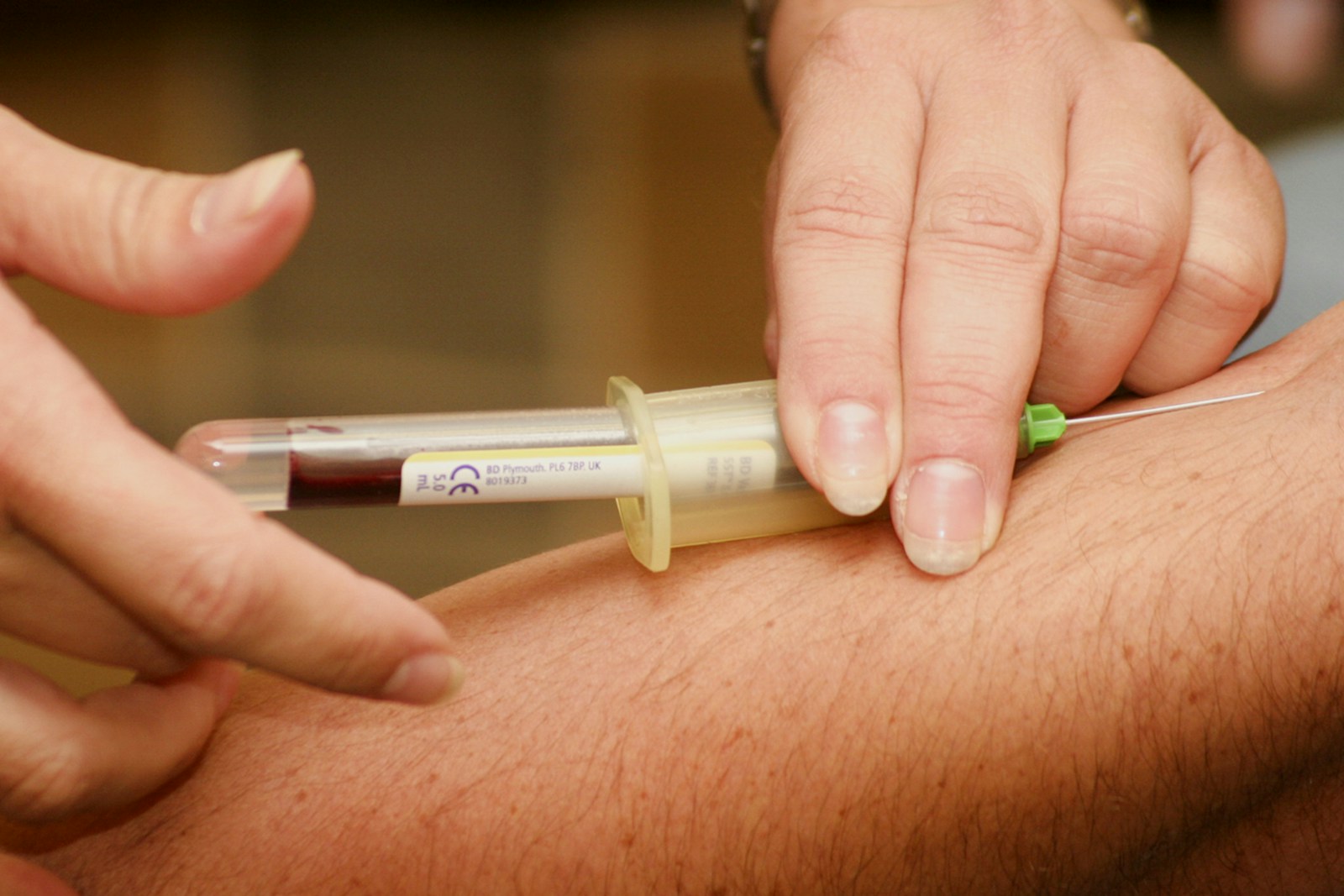
A standard course is a nightly subcutaneous injection for at least 6 months, with IGF-1 drawn before starting and again at 90 days. In the clearest controlled adult data, nightly dosing raised IGF-1 within 2 weeks and increased lean body mass in men across 16 weeks, without significantly changing fat mass in that window [3].
Who It Suits
- Adults over 30 with documented low or low-normal IGF-1 for their age
- Symptoms consistent with GH axis decline: poor slow-wave sleep, slow recovery, rising visceral fat, reduced lean mass
- Thyroid function confirmed normal first, since untreated hypothyroidism blunts the GH response independently
- Not appropriate with active malignancy, and not a substitute for HGH in true pituitary deficiency
- Not an option for anyone subject to anti-doping testing
The Decisions That Actually Differ Between Programs
| Decision | What to look for | Detail |
|---|---|---|
| Baseline labs | Required before prescribing, not optional | Providers skipping this make response unverifiable |
| Delivery form | Injection has the evidence; oral and nasal do not | Non-injectable routes lack trial support |
| Pharmacy tier | 503A pharmacy or 503B outsourcing facility | 503B is held to cGMP; 503A is not |
| Lab monitoring | Bundled or billed separately | Changes all-in cost more than headline price does |
| Duration | Six months minimum before judging | Shorter courses cannot be evaluated fairly |
| Clinician access | Reachable during titration | Matters most in the first 90 days |
Pricing across reviewed telehealth platforms spans roughly $79 to $259 per month, and the spread is driven mostly by what is bundled rather than by the peptide. A cheaper program where labs are billed separately can cost more over 6 months than a dearer one that includes them.
Running the Protocol Correctly
- Draw a baseline IGF-1 before the first injection
- Inject subcutaneously at bedtime, at least 2 hours after eating, since most GH release occurs during slow-wave sleep [4]
- Rotate injection sites to avoid tissue changes that distort absorption
- Retest IGF-1 at 90 days and interpret it against the age-adjusted range with your prescriber
- Reassess at 6 months using waist circumference or DEXA rather than scale weight
Dosing at the wrong time, or after a late meal, blunts the GH pulse through somatostatin feedback. A correct dose taken incorrectly underperforms a smaller dose taken properly, and it looks identical to a protocol that failed.
Where Other Peptides Fit
Sermorelin is often sold alongside other peptides, and the distinctions matter. Ipamorelin and CJC-1295 act on the GH axis and are sometimes combined with sermorelin under physician supervision. Tesamorelin is a different GHRH analog and the only one in this family with current FDA approval, for a narrow indication. GHK-Cu is unrelated to the GH axis entirely despite frequently appearing in the same product catalogs. Monotherapy is the correct starting point in every case.
A peptide protocol is only as legitimate as the baseline IGF-1 and the prescriber behind it. SystemLabs tests IGF-1 before prescribing and formulates sermorelin on clinical indication through a licensed pharmacy, so the therapy is monitored rather than sold.
Frequently Asked Questions
What is sermorelin peptide therapy?
Prescribing a GHRH analog to restore growth hormone axis function that has declined with age. Sermorelin is a 29-amino-acid analog of human GHRH [1] that stimulates the pituitary to release its own GH, which then drives IGF-1. A standard course is a nightly subcutaneous injection for at least 6 months, with IGF-1 measured before starting and again at 90 days.
Is sermorelin peptide therapy FDA approved?
No. Sermorelin held approval as Geref, but the applications were withdrawn effective June 2009 after the manufacturer discontinued it, and FDA determined the withdrawal was not for reasons of safety or effectiveness. All US supply today is compounded under section 503A or 503B, which means FDA does not verify safety, effectiveness, or quality before marketing.
Who is a candidate for sermorelin peptide therapy?
Adults over 30 with documented low or low-normal IGF-1 for their age, plus symptoms consistent with GH axis decline such as poor slow-wave sleep, slow recovery, increased visceral fat, or reduced lean mass. Thyroid function should be confirmed normal first, since untreated hypothyroidism blunts the GH response independently. It is not appropriate with active malignancy.
How much does sermorelin peptide therapy cost?
Published monthly pricing across reviewed telehealth platforms runs roughly $79 to $259, with the spread driven mainly by whether labs, clinician access, and shipping are bundled and whether a multi-month plan is required. Compare all-in cost over 6 months rather than the headline rate, since a program including baseline and 90-day IGF-1 can cost less overall than a cheaper one that bills testing separately.
How do I know if sermorelin peptide therapy is working?
The 90-day IGF-1 retest, compared against a baseline drawn before the first dose. If IGF-1 rose into the mid-normal range for your age, the protocol is working and the remaining question is time. If it did not move, review dosing time, whether food preceded the dose, vial storage, and thyroid status before considering a dose increase. Without a baseline, none of this is answerable.
What is the difference between sermorelin therapy and HGH therapy?
HGH supplies growth hormone directly. Sermorelin prompts your pituitary to release its own, so somatostatin feedback stays intact [2] and supraphysiologic levels are much harder to reach. That makes sermorelin safer and also limits the size of the effect, and it means sermorelin only works when the pituitary can still respond.
References
- Sermorelin: a review of its use in the diagnosis and treatment of children with idiopathic growth hormone deficiency BioDrugs, 1999. PMID: 18031173. https://pubmed.ncbi.nlm.nih.gov/18031173/
- Sermorelin: a better approach to management of adult-onset growth hormone insufficiency? Clinical Interventions in Aging, 2006. PMC2699646. https://pmc.ncbi.nlm.nih.gov/articles/PMC2699646/
- Endocrine and metabolic effects of long-term administration of [Nle27]growth hormone-releasing hormone-(1-29)-NH2 in age-advanced men and women Journal of Clinical Endocrinology & Metabolism, 1997. PMID: 9141536. https://pubmed.ncbi.nlm.nih.gov/9141536/
- Growth hormone secretion during sleep Journal of Clinical Investigation, 1968. PMID: 5675428. https://pubmed.ncbi.nlm.nih.gov/5675428/